Mill Spare Parts
Guide rolls, bushings, sleeves, shafts and wear components for hot rolling mills—produced from drawings or from a serviceable sample.
Discuss Your RequirementSpecified around the line—not selected from a generic list.
Most mill spares are needed against a date, not a catalogue number. Bushings, sleeves, guide rolls, shafts, levers and wear plates can be produced from drawings, from measured installation data or by reverse engineering a serviceable sample, with material and heat treatment matched to the duty the part actually sees.
Engineering scope
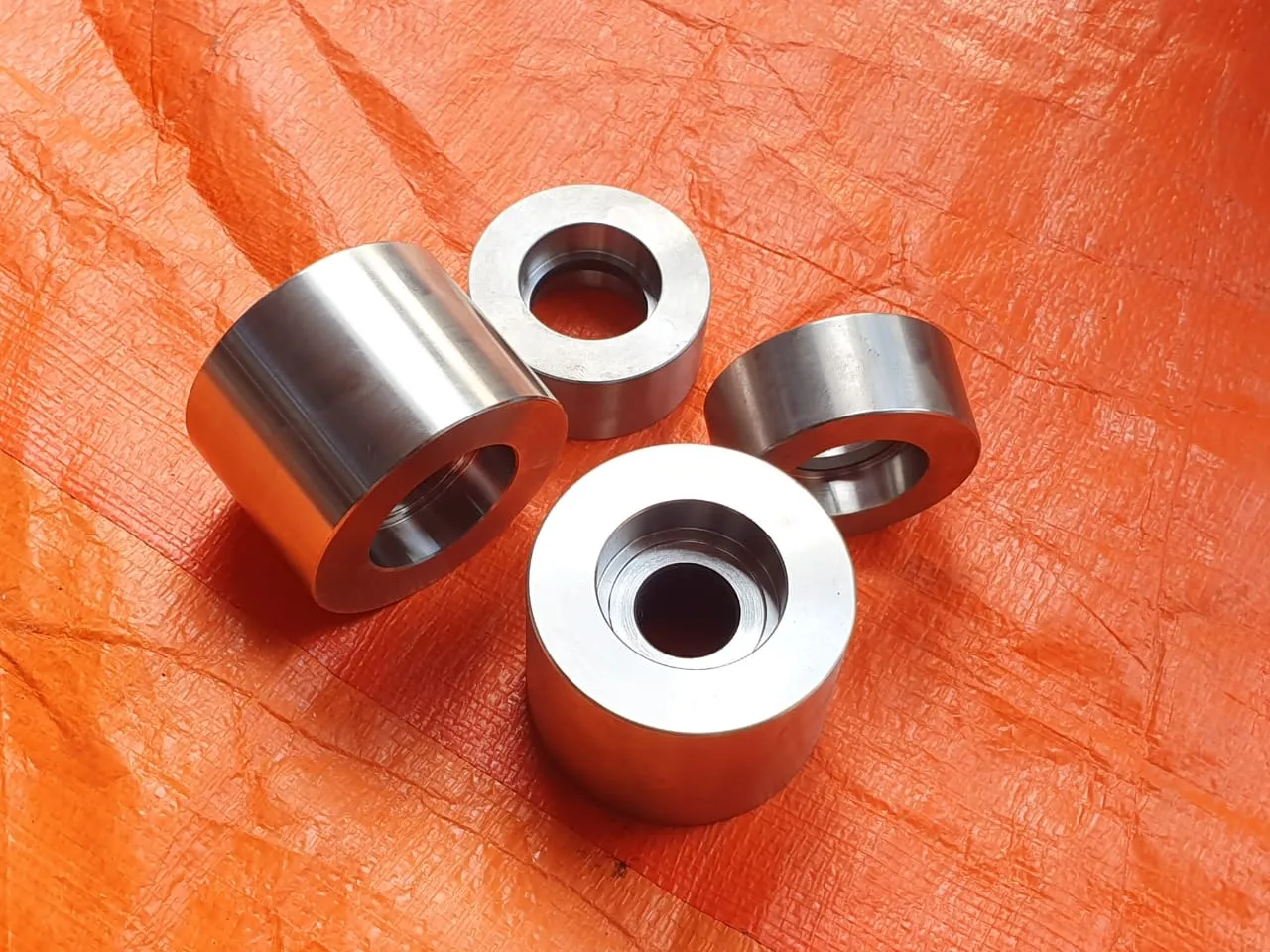
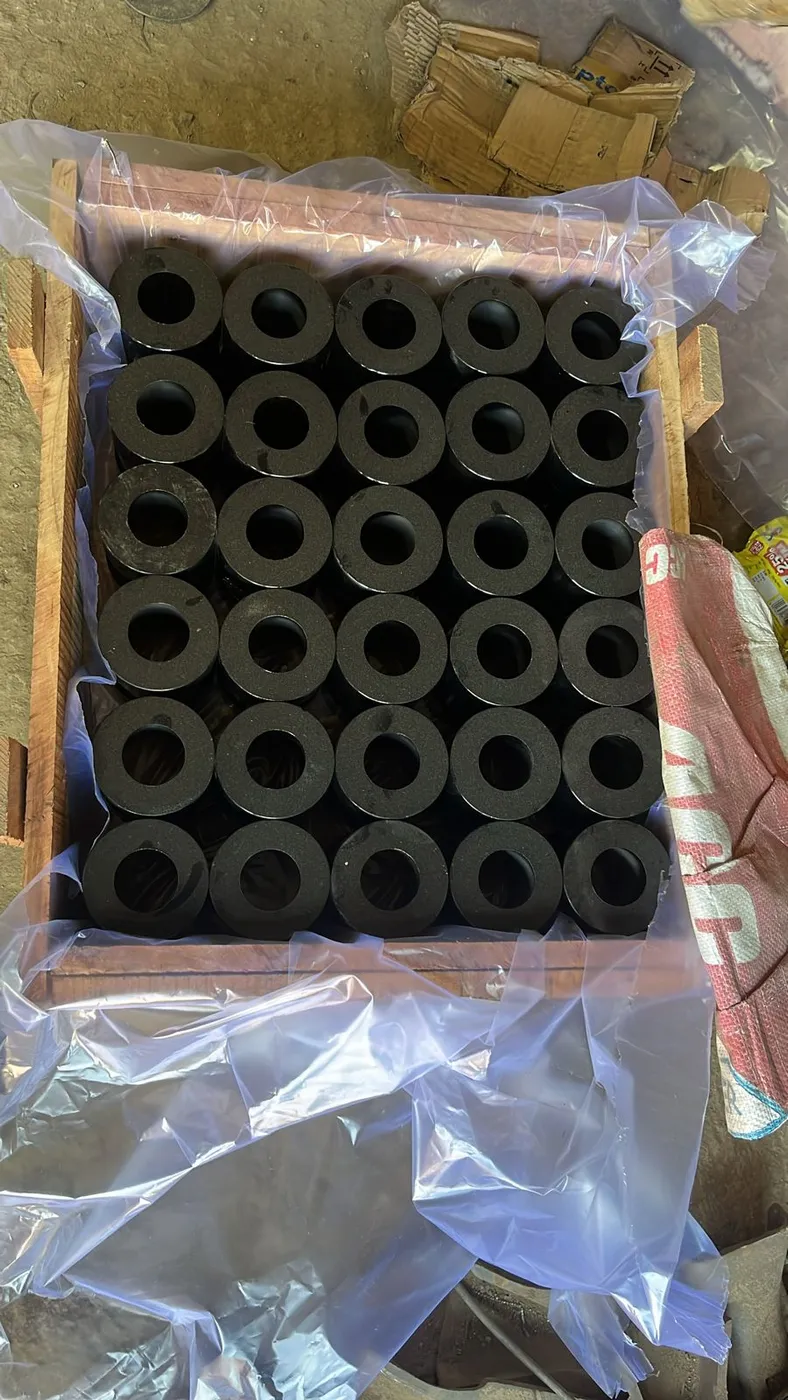
- Guide rolls, bushings, sleeves and spacers
- Shafts, pins, levers and arm assemblies
- Wear plates, liners and replacement inserts
- Reverse engineering from samples or drawings
- Material selection and heat-treatment coordination
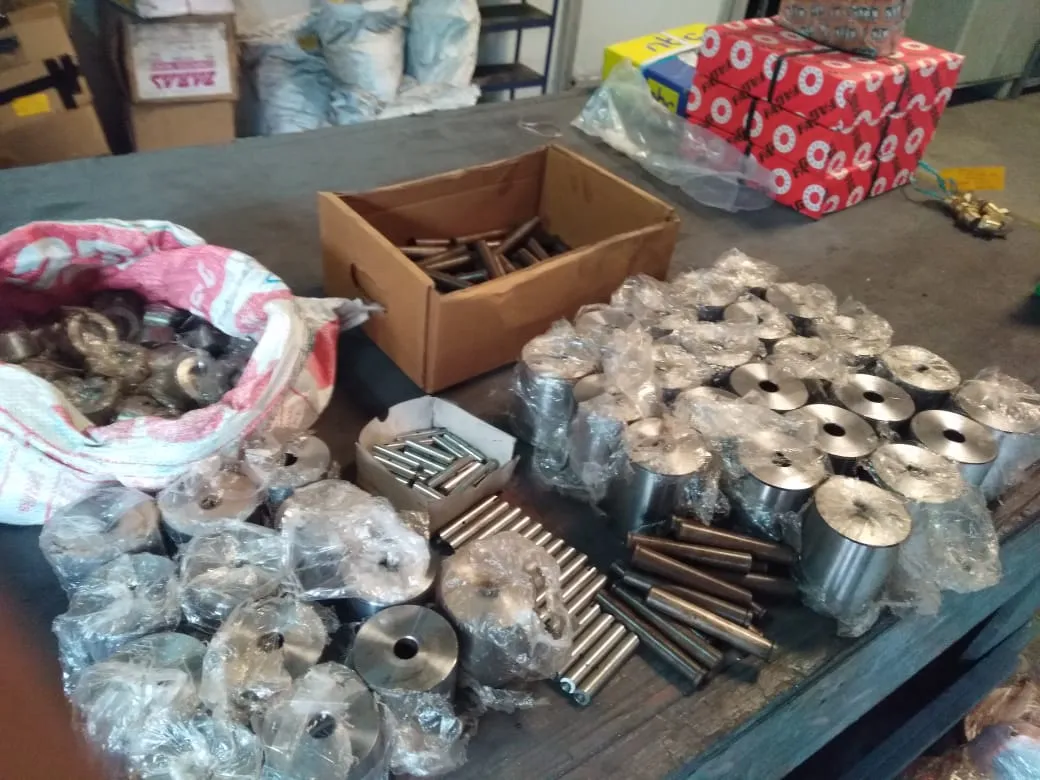
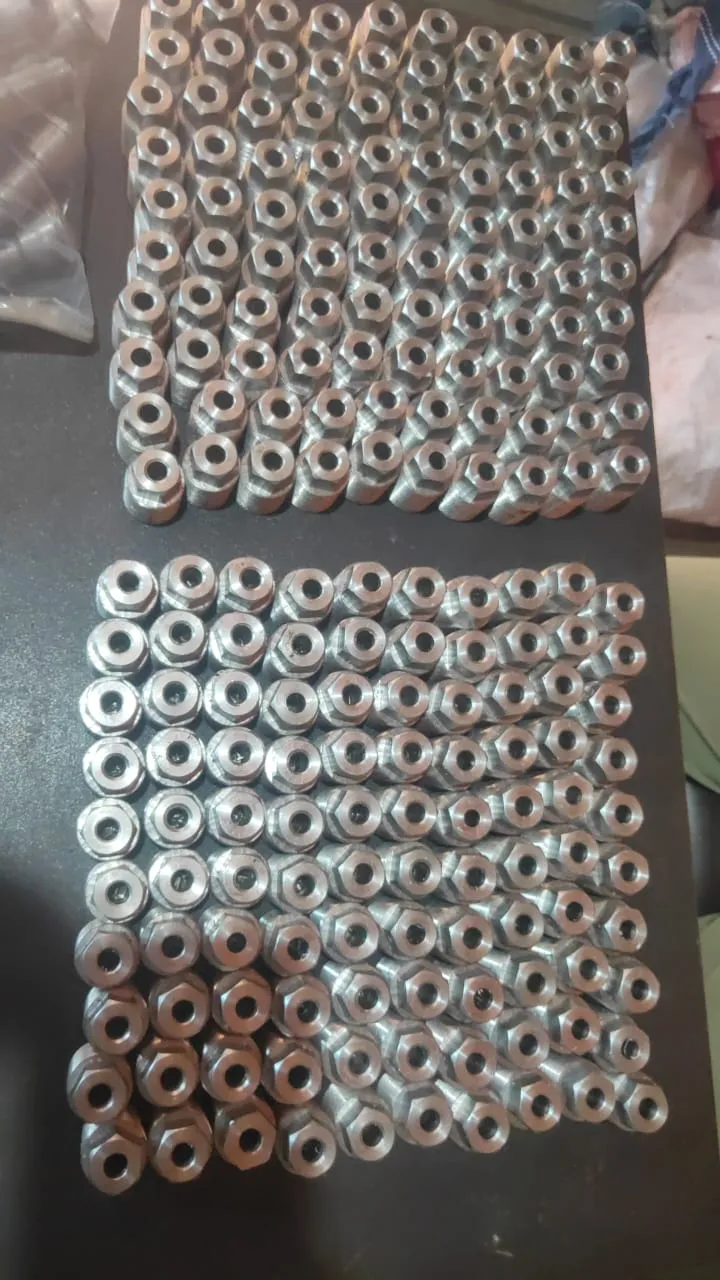
- Batch production for shutdown and changeover stock
Typical applications
- 01Planned shutdown and changeover stock
- 02Roughing, intermediate and finishing stands
- 03Guide, gearbox and handling equipment
- 04Obsolete or hard-to-source components
The spares that keep a mill rolling
The parts that wear fastest in a rolling mill sit where the hot stock meets the equipment: guide rollers and their bushings, wear sleeves and liners, levers, arms and pins, and the shafts and spacers around them. They are small, but when one fails and there is no replacement on the shelf, the stand stops.
Holding the right spares turns an unplanned stoppage into a quick change during a scheduled stop.
Making a part from a sample
When there is no drawing, a serviceable sample is measured and the original geometry is worked out from the worn shape. The material and hardness are identified or agreed, the fits and tolerances are set for where the part is used, and heat treatment is matched to the duty. A first piece is checked before a batch is made.
Once a part has been reverse engineered, its drawing is kept, so the next order is a straightforward repeat rather than starting again from a sample.
Planning spare stock
The simplest way to plan is from consumption: how many of each part the mill uses per campaign or per month. Critical parts with long lead times are held in stock, and producing them in batches ahead of a shutdown is usually cheaper and more reliable than ordering one at a time when they fail.
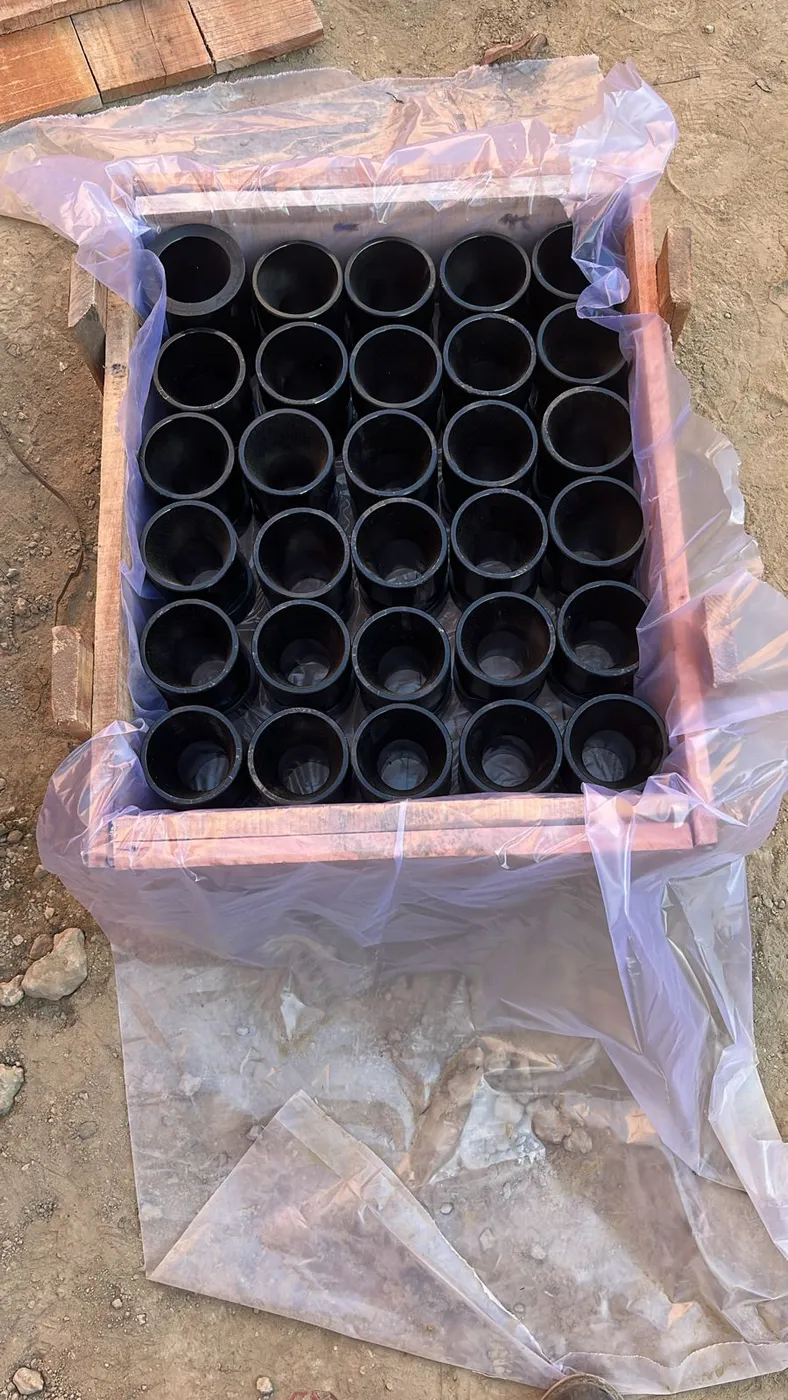
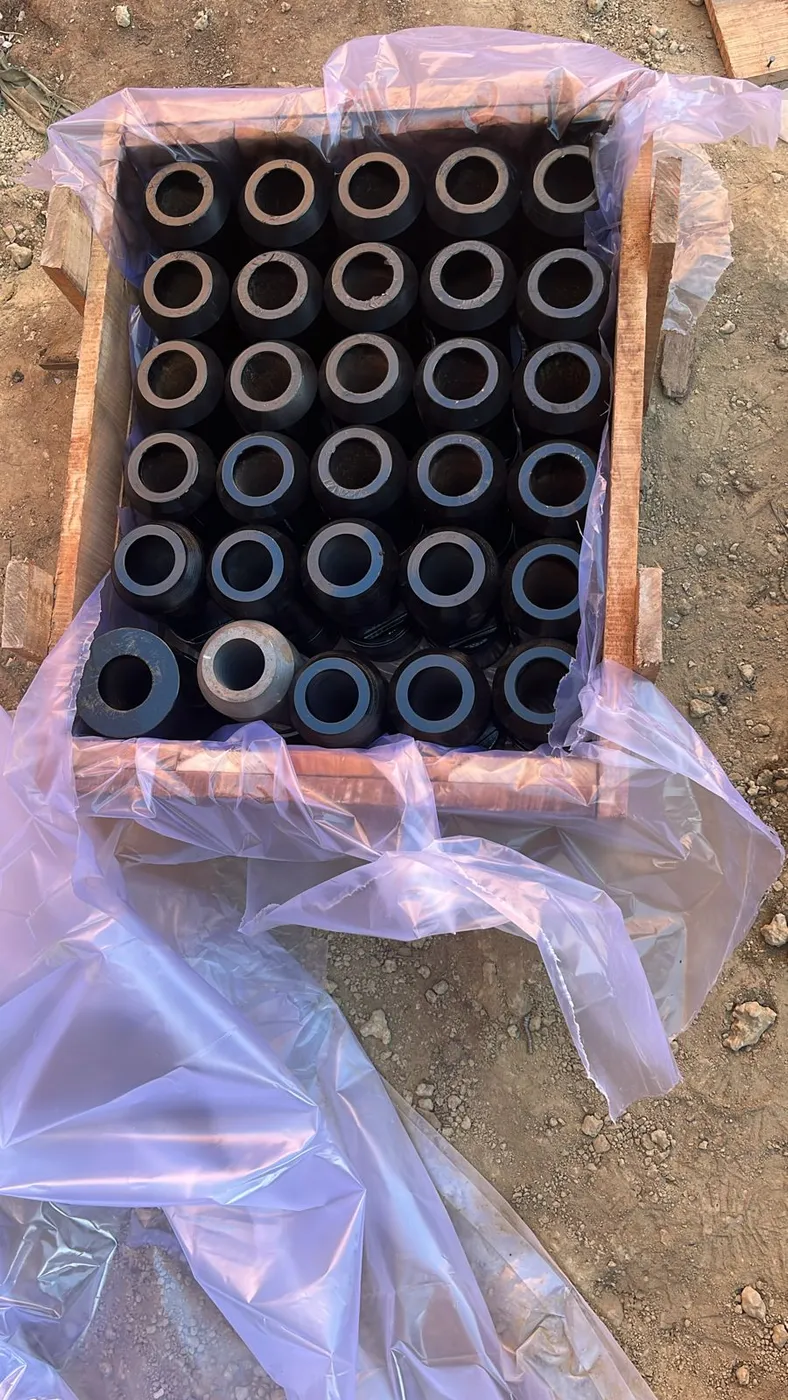
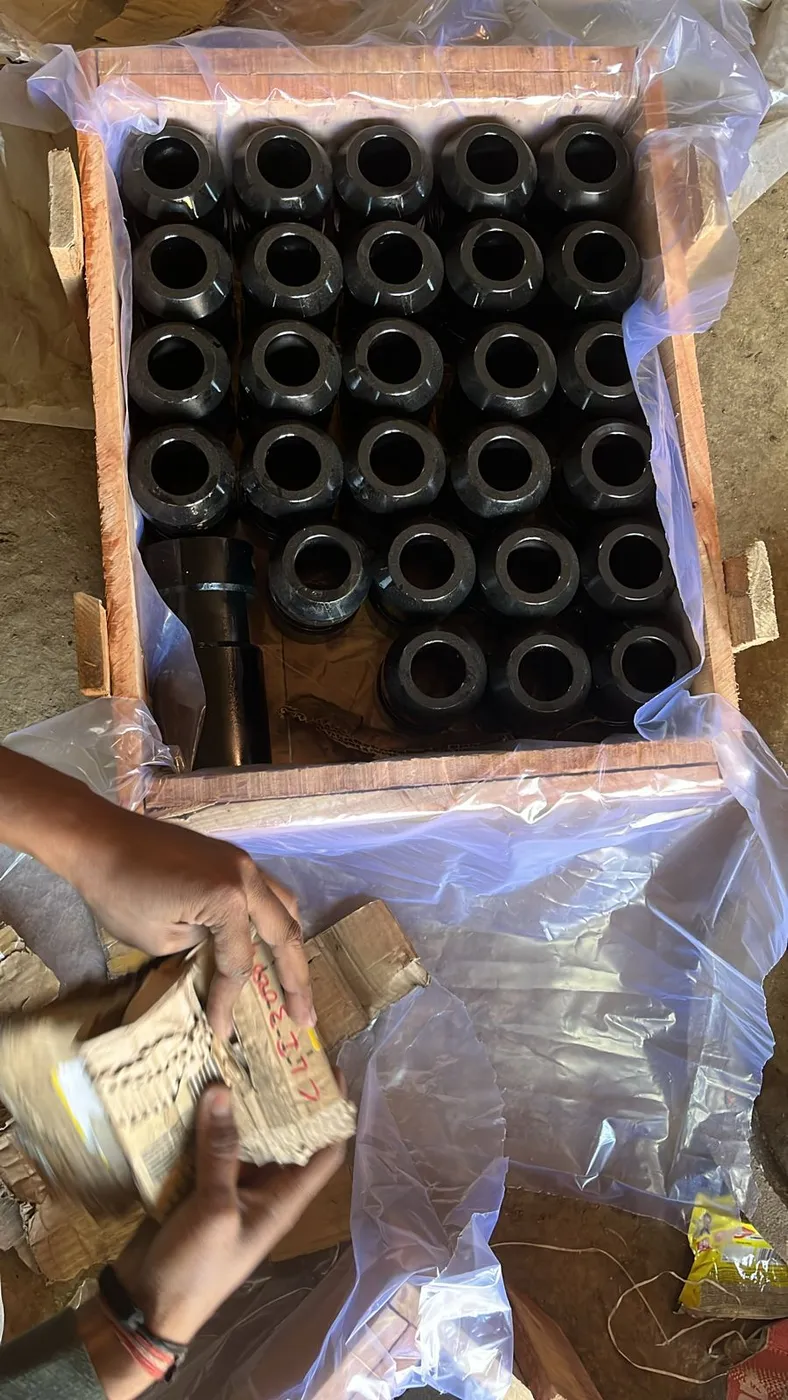
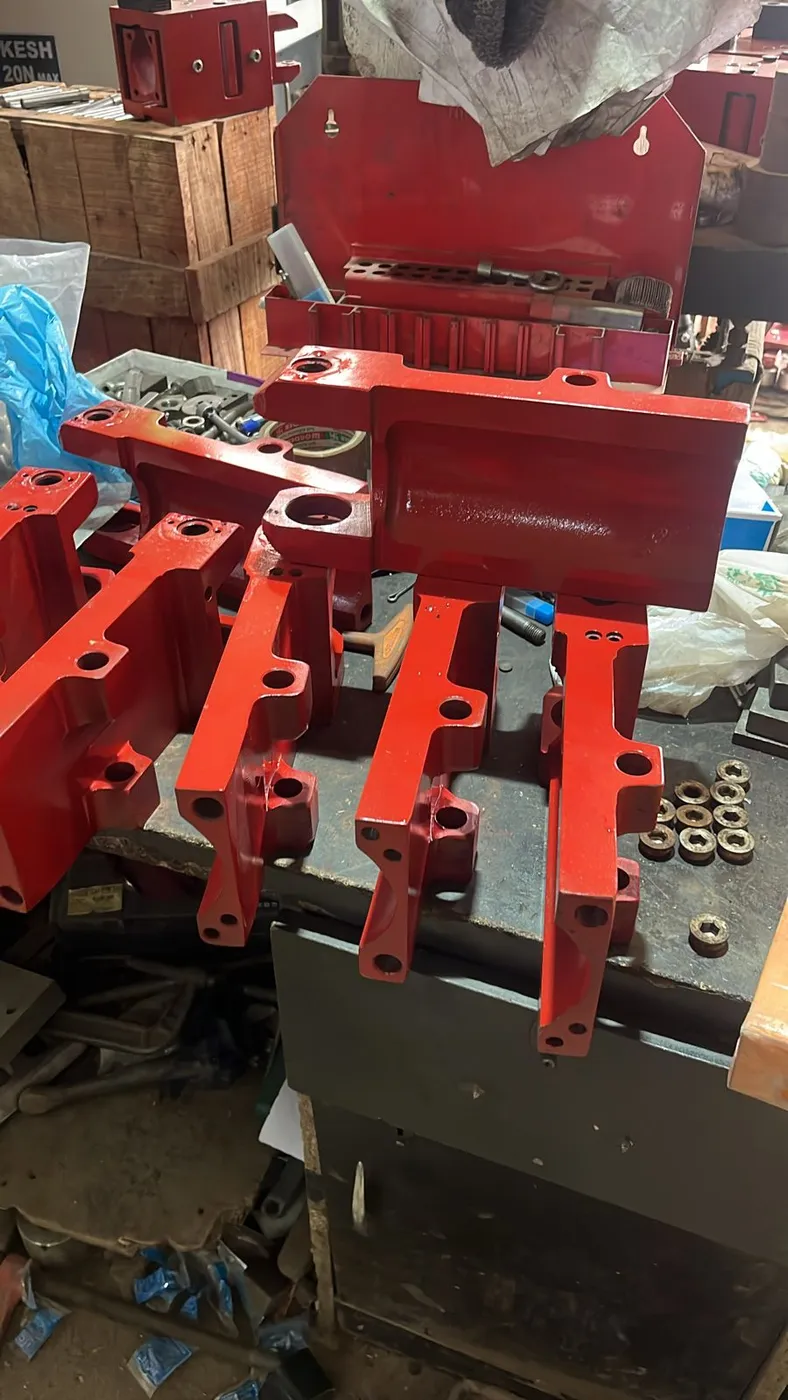
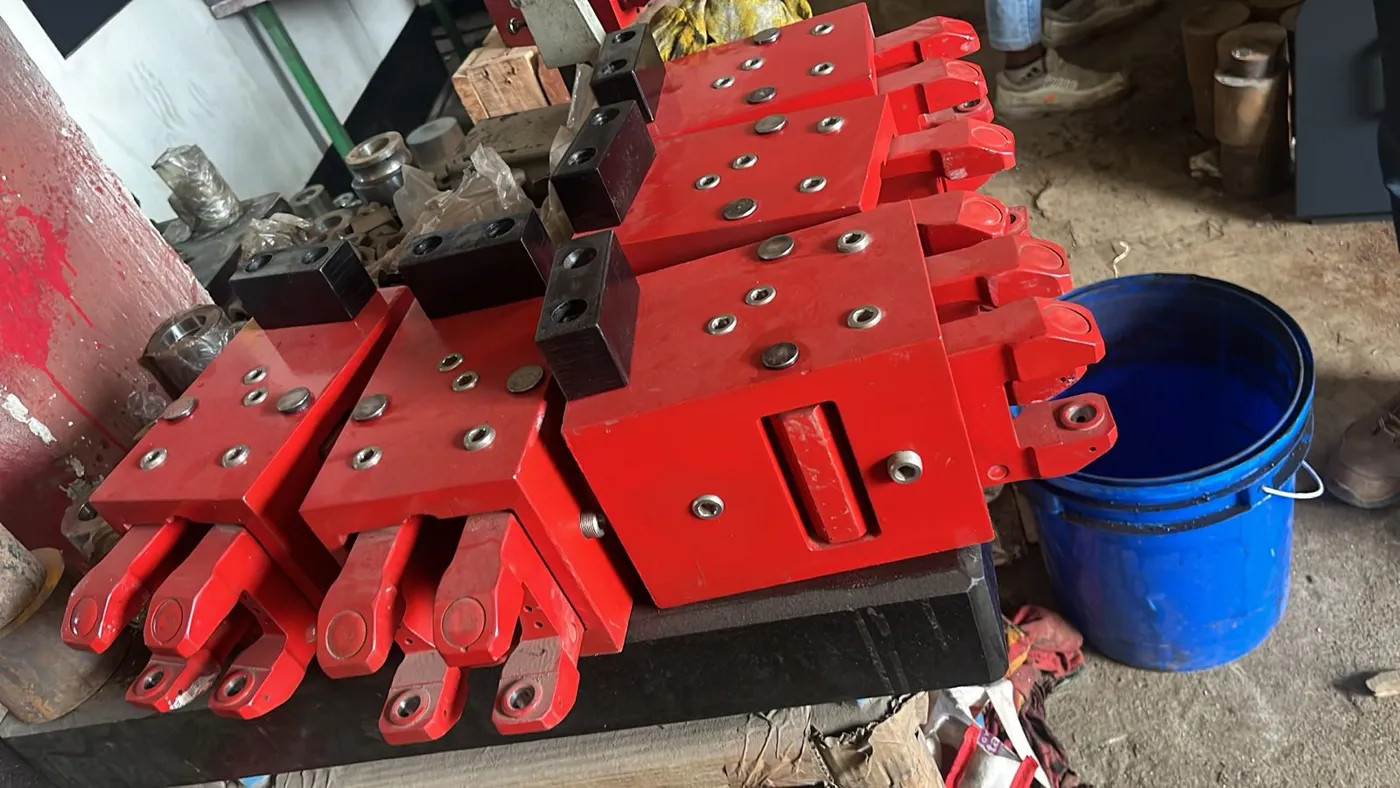
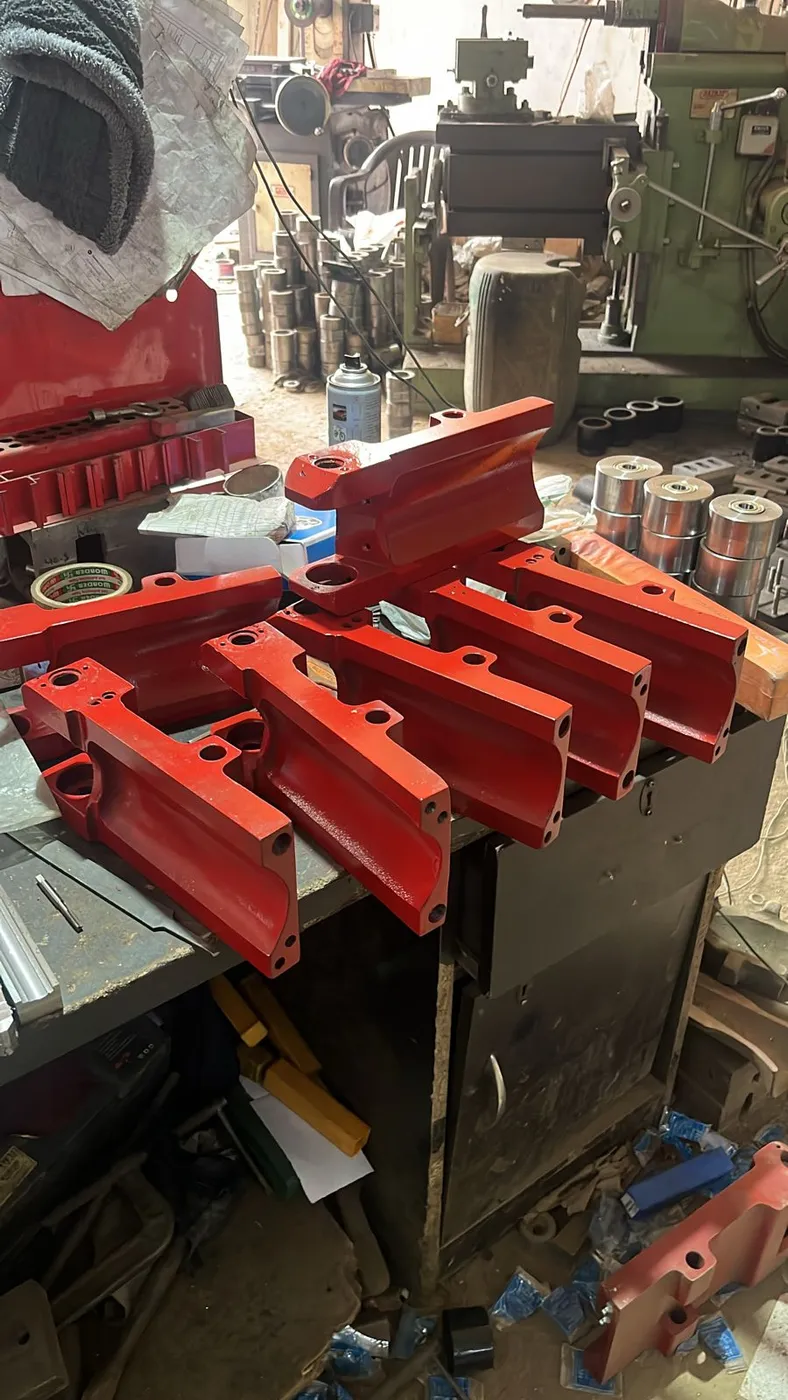
Manufactured in house
Machining, assembly, finishing and dispatch—photographed on our shop floor.
What to send us for a quotation
The more of this you can share, the faster we can come back with a firm scope.
- A drawing or a serviceable sample
- Quantity required
- Material and hardness, if known
- Where the part is used and how long it currently lasts
- The date you need the parts by
Questions buyers ask early
Can spares be produced from an existing sample?
Subject to inspection and dimensional verification, components can be reverse engineered from serviceable samples, drawings or measured installation data.
Which spares are worth holding in stock?
The parts that stop the line: guide rolls, bushings and sleeves, wear liners, and the adjusting hardware that goes with them. Consumption per campaign is the usual guide to quantity.
How long does it take to produce spares?
It depends on the part, the material, any heat treatment and the quantity. Share the date you need the parts by along with the drawing or sample, and the lead time is confirmed with the quotation.
Share it and we will come back on feasibility, scope and the data still needed.
Discuss your mill spares requirement.
Share the application, product range, current equipment and performance objective. The conversation starts with your process—not a standard catalogue answer.